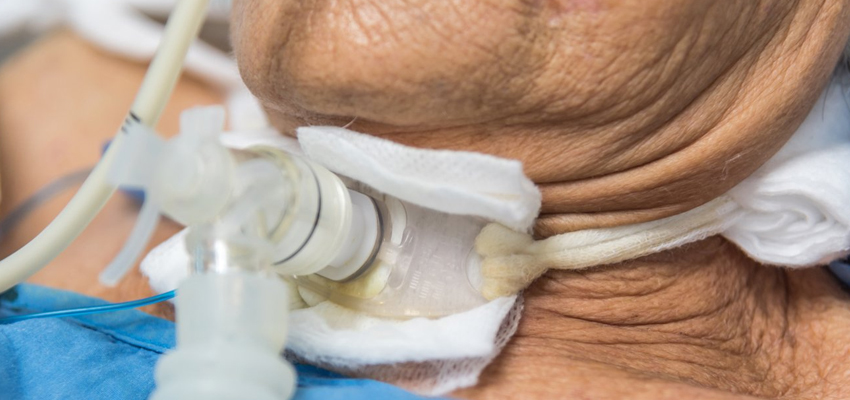
Tracheostomy
A tracheostomy is a life-saving surgical procedure in which an opening is created in the front of the neck into the windpipe (trachea) to help a patient breathe. A tracheostomy tube is placed through this opening to maintain a secure airway.
It is commonly performed in emergency as well as planned medical situations when normal breathing through the nose or mouth is not possible.
When Is Tracheostomy Required?
-
Severe airway obstruction
-
Head and neck cancers
-
Prolonged ventilator support
-
Vocal cord paralysis causing breathing difficulty
-
Severe throat infections or swelling
-
Trauma to face or neck
-
Neurological conditions affecting breathing
Types of Tracheostomy
-
Emergency tracheostomy – performed to immediately secure the airway
-
Elective tracheostomy – planned procedure for long-term airway support
-
Temporary tracheostomy – removed once breathing improves
-
Permanent tracheostomy – required in selected conditions
Procedure Overview
-
Performed under local or general anesthesia
-
Small incision made in the neck
-
Tracheostomy tube inserted into the windpipe
-
Duration: approximately 20–40 minutes
-
Can be done in operation theatre or ICU
Benefits of Tracheostomy
-
Provides a safe and secure airway
-
Improves oxygen delivery
-
Allows easier airway suctioning
-
Facilitates long-term ventilation
-
Enhances patient comfort compared to prolonged intubation
Post-Procedure Care
-
Regular tube cleaning and suctioning
-
Humidified oxygen support
-
Training provided to patient and caregivers
-
Regular follow-up and tube change as advised
Possible Complications (Rare)
-
Bleeding or infection
-
Tube blockage
-
Air leakage around tube
-
Voice changes (usually temporary)
With expert care and proper monitoring, complications are uncommon.
Why Choose Us
-
Experienced ENT airway surgeon
-
Emergency airway management expertise
-
Advanced ICU and anesthesia support
-
Comprehensive post-tracheostomy care
-
Patient and caregiver education