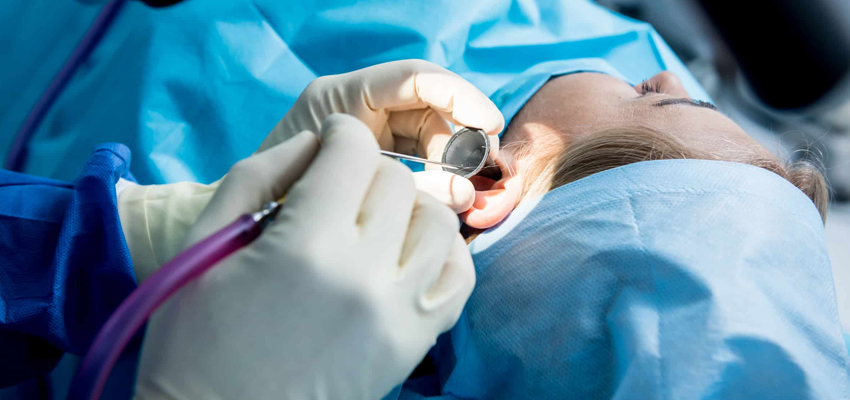
Stapedotomy, Stapedectomy
Stapedotomy and stapedectomy are specialized ear surgeries performed to improve hearing loss caused by otosclerosis — a condition in which the stapes bone in the middle ear becomes fixed and cannot vibrate properly.
These procedures help restore sound transmission and significantly improve hearing.
What Is Otosclerosis?
Otosclerosis is a disorder where abnormal bone growth affects the stapes (stirrup) bone, leading to:
-
Progressive hearing loss
-
Difficulty hearing conversations
-
Ringing in the ears (tinnitus)
-
Normal eardrum appearance
Stapedotomy
In stapedotomy, a small opening is made in the fixed stapes bone and a prosthetic implant is placed to transmit sound vibrations to the inner ear.
Benefits
-
Minimally invasive technique
-
Better hearing improvement
-
Faster recovery
-
Lower risk of complications
Stapedectomy
In stapedectomy, part or all of the stapes bone is removed and replaced with a prosthetic device to restore hearing.
This technique is used in selected cases depending on disease severity and ear anatomy.
Who Needs This Surgery?
-
Patients diagnosed with otosclerosis
-
Conductive hearing loss not improved with medicines
-
Normal middle ear and intact eardrum
-
Suitable candidates after hearing tests and evaluation
Surgical Details
-
Performed under local or general anesthesia
-
Microscope-assisted precision surgery
-
Usually a short hospital stay
-
Hearing improvement noticed within weeks
Benefits of Surgery
-
Significant improvement in hearing
-
Reduction in dependence on hearing aids
-
Long-term results
-
Improved quality of life
Post-Operative Care
-
Avoid water entry into the ear
-
Follow prescribed medications
-
Regular follow-up and hearing tests
Why Choose Us
-
Expertise in advanced otologic surgery
-
Modern microsurgical equipment
-
Careful patient selection and counseling
-
Safe and proven surgical outcomes